Amalia Wojciechowski, assistant director and collections curator
My Woodson Art Museum colleagues graciously bore with my two-week absence while I traveled through Japan earlier this month. I returned with plenty of photographs and a renewed appreciation for what happens when we spend time in an unfamiliar visual environment: even an ordinary walk becomes an exercise in looking closely.
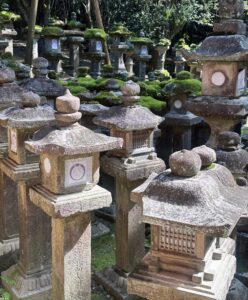
Kasuga-taisha Shrine, Nara
With my training as an art historian focused primarily on Western art—travel offers a welcome opportunity to stretch those habits of seeing. Museums are always part of the itinerary, of course, but much of a place’s visual culture lives in everyday surroundings. Looking up, looking around, or pausing to take in a particular vista can be as absorbing as standing before a painting.

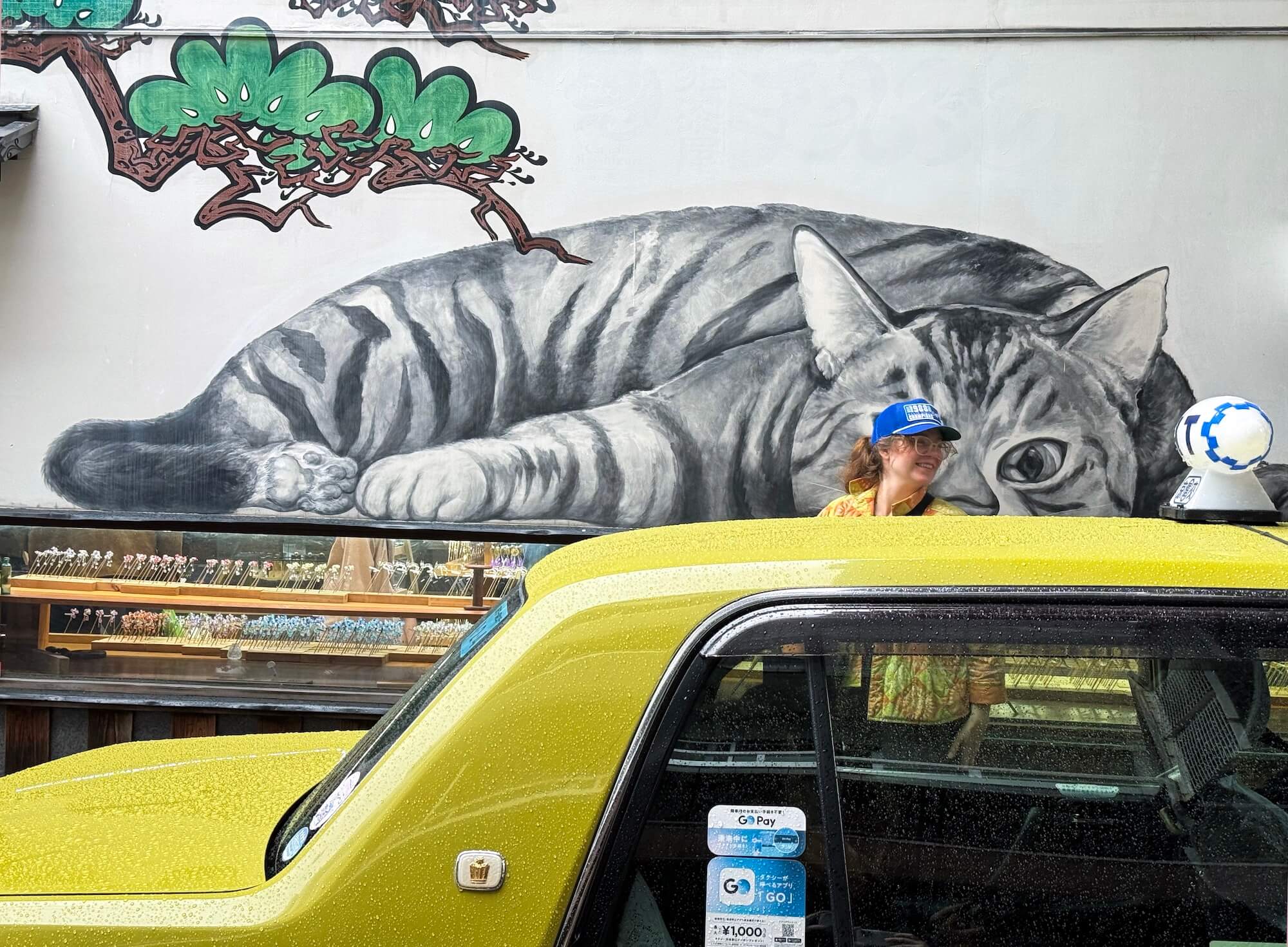
Outside of Nishiki Market, Kyoto
During my travels, I found myself especially attentive to pattern and repetition: motifs recurring across surfaces, whether natural or manmade, or a succession of architectural details consistently drew my attention. Once I began approaching these repetitions as a kind of rhythmic, meditative looking, I became more sensitive to their variations: an interruption, a shift in scale, or a small alteration within an otherwise consistent arrangement jumped out.
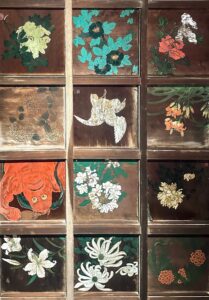
Kanzanji Temple, Tokyo
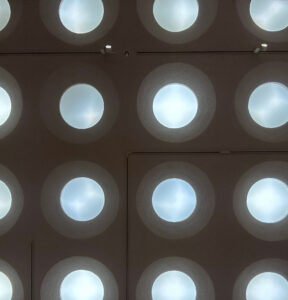
The National Museum of Western Art, Tokyo
Throughout, Japan’s small details reminded me that repetition is an essential creative practice. Returning to a form, copying it, or making it again with a slight variation can become an act of homage, sustained study, or meditation. Think, for instance, of Katsushika Hokusai’s Thirty-six Views of Mount Fuji, a series of woodblock prints that eventually grew to include forty-six images of the mountain across seasons, weather, and vantage points, or the polka dots of Yayoi Kusama, whose work Elaina mentioned in her September 30th Woodson Wanderings post.
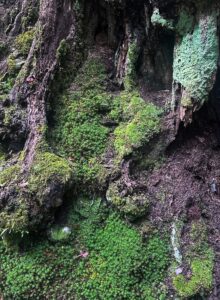
Saihoji Temple, Kyoto
Each trip adds to the toolbox of visual languages I bring to my work as a curator. Encountering unfamiliar approaches to space and pattern helps me reconsider the assumptions I carry into the galleries, and the questions I might ask there. Back at the Woodson, I’m curious to see which familiar artworks will draw my attention differently, and what another look might show.
Want to receive Woodson Wanderings directly to your email inbox? Sign up for our blog emailing list today!